Main building access is via Ashgrove Street and parking stalls 7 and 9 are free for our patients. Wheelchair access is via Fort street entrance.

Lower Limb Prosthetics

Comprehensive Lower Limb Prostheses

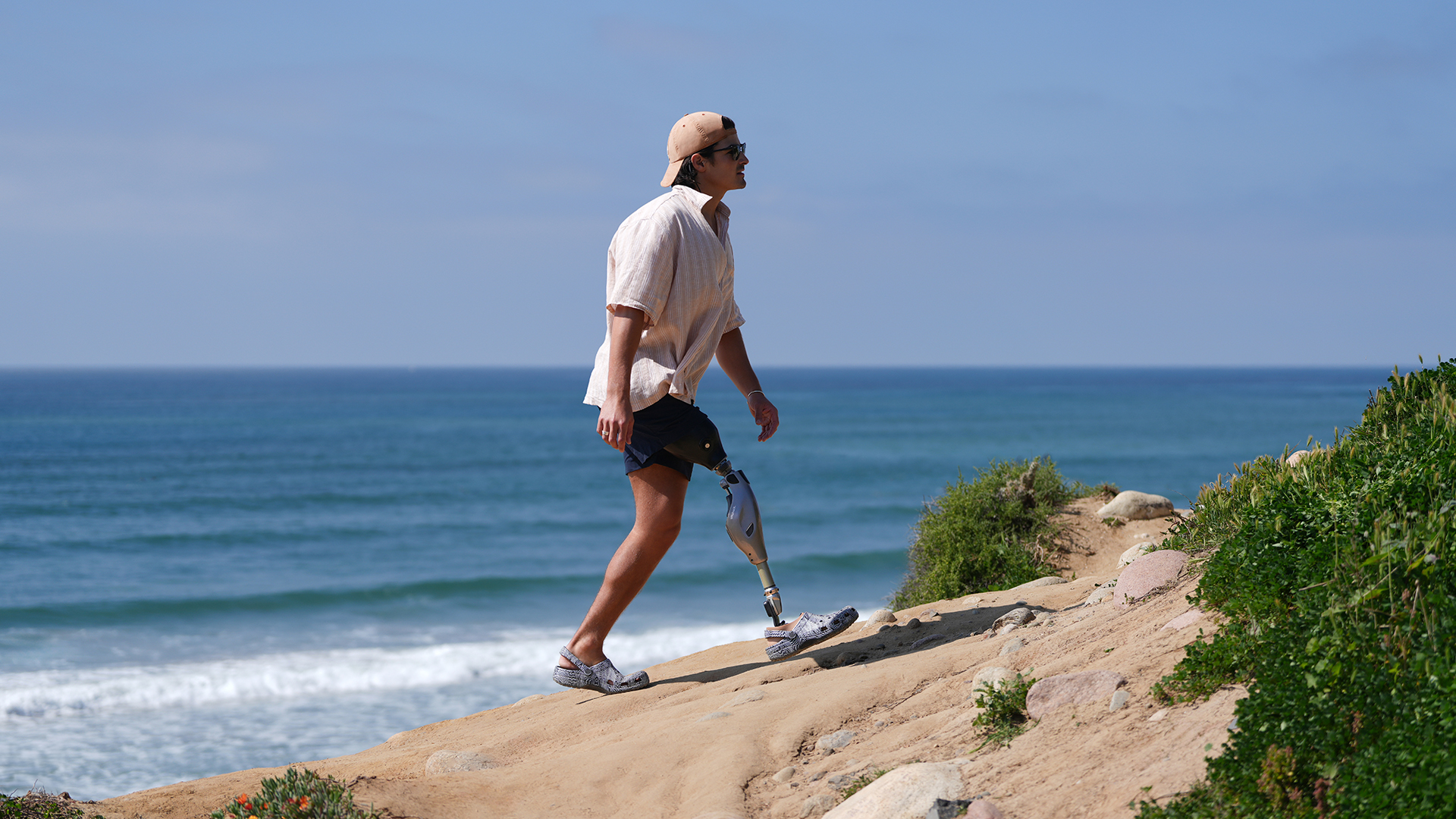
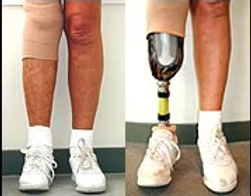
We provide custom prosthetic solutions for all levels of limb loss, from transtibial (below knee) to transfemoral (above knee) and complex hip disarticulations. Every prosthesis is built around a custom-to-your-limb socket designed for maximum comfort and skin health, ensuring you can wear your device confidently throughout the day.

Our goal is to match the technology to your lifestyle. We offer a variety of suspension systems—including vacuum-assisted and suction designs—to provide a secure, natural-feeling connection between your limb and the prosthesis. Whether you are a first-time prosthesis user or looking for a long-term definitive device, we work with you to ensure your leg feels like a part of you.

Microprocessor Knees & Ankles

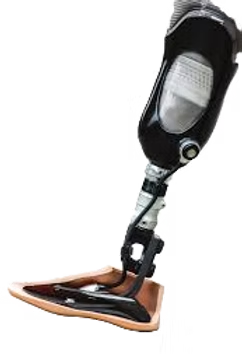
We offer microprocessor-controlled technology that reacts as fast as you move. Microprocessor knees and ankles use advanced sensors to monitor your gait in real time, automatically adjusting resistance to keep you stable on uneven terrain, ramps, or stairs. These devices are paramount for safety, significantly reducing the risk of falls through built-in stumble recovery features.

These “bionic” components allow for a more natural walking pattern with much less physical effort. By mimicking the movement of a biological limb, microprocessor technology helps protect your sound side from overcompensation, reducing long-term strain on your hips and back while boosting your overall confidence in every step.

Athletic & Recreational Prostheses

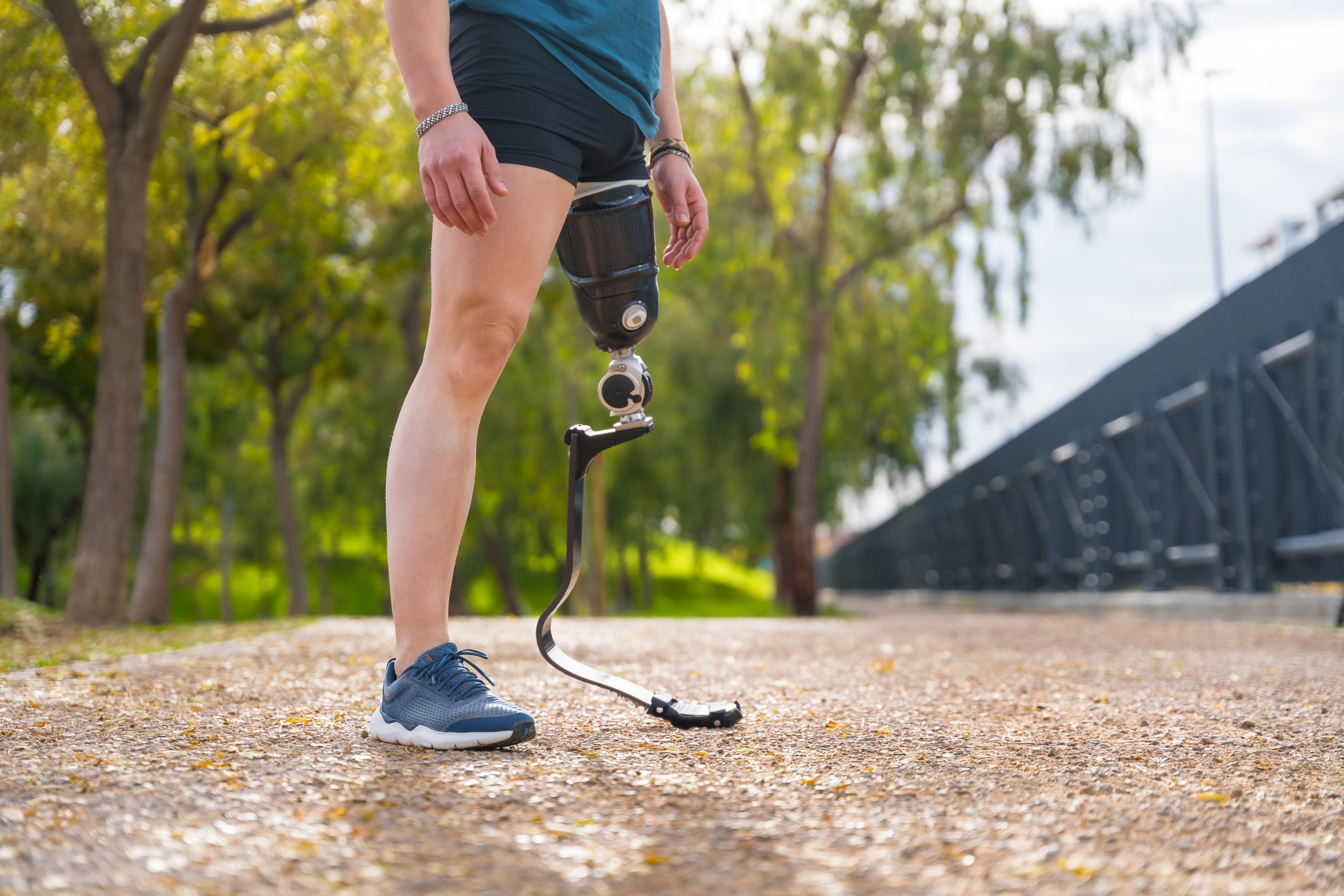
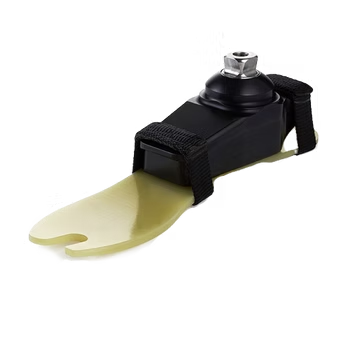
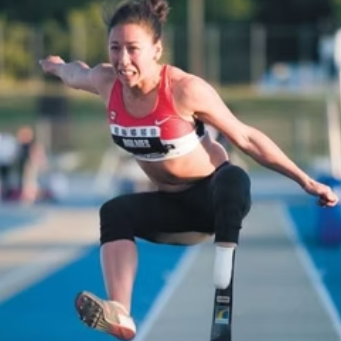
We don’t want anything to hold you back from the activities you love. We design specialized sports prostheses, from carbon-fiber running blades to cycling-specific feet, that are lightweight and engineered for high-performance impact. These prostheses are built to handle the unique stresses of sprinting, jumping, and rapid directional changes that standard everyday legs aren’t designed for.

Beyond competitive sports, we offer recreational solutions for swimming, hiking, and golfing. By utilizing water-resistant materials/components and high-energy-return designs, we ensure you have the stability and power needed for an active life.

Lower Limb Products

Custom Prosthetic and Orthotic Services Ltd. specializes in the fitting of lower extremity prosthetic devices. Statistically these are the most common types of prostheses required by persons with limb amputations. our Canadian Certified Prosthetist, and Prosthetic Technician, are familiar with the complete range of componentry and materials used in the manufacturing of both traditional and modern state-of-the-art artificial limbs. We are committed to working closely with our clients to produce devices that are comfortable, functional, appropriate for their needs and cosmetically attractive. The following is an overview of some of the products relating to this area of prosthetics. Please contact us at our office to discuss your needs.

Partial Foot Prosthetics

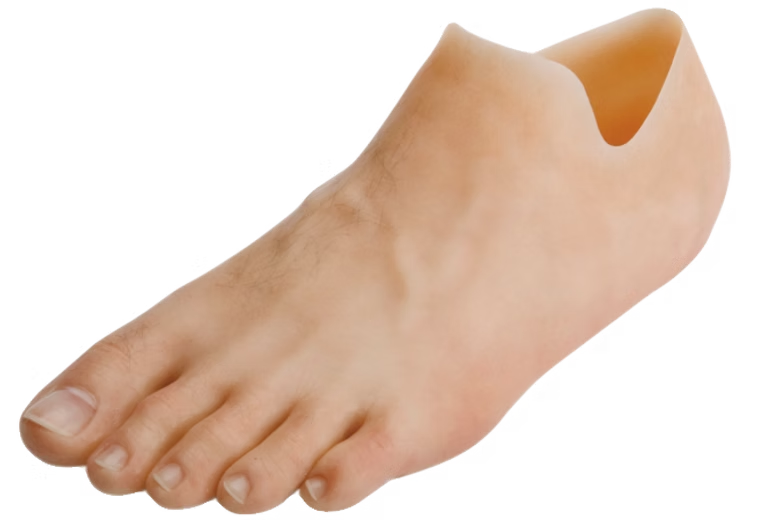
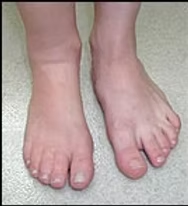
Partial foot amputations are fit with prosthetic devices ranging from simple toe-fillers in shoes for toe amputations, to custom-molded silicone prosthetics that incorporate contoured arch supports and carbon fiber keels. A comfortable fit, control of weight-bearing forces and adaptation to the needs of each individual are the most important features of this type of prosthesis. In some instances it may be necessary to purchase slightly larger or extra-depth shoes to accommodate the arch support or prosthesis required.

For persons with Diabetes, a comfortable and supportive pair of shoes with a soft sole and uppers is important to safeguard feet against any further injury.

Complete Prosthetic Feet

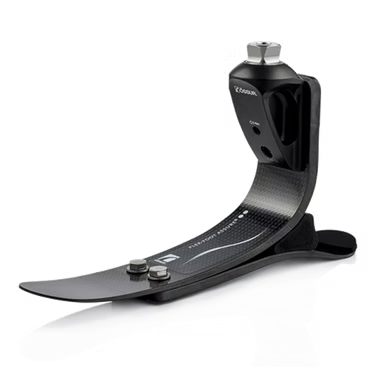
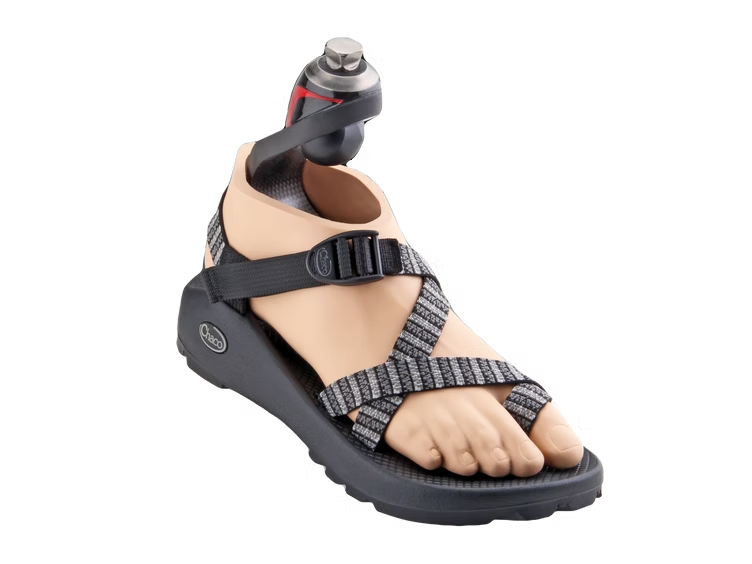
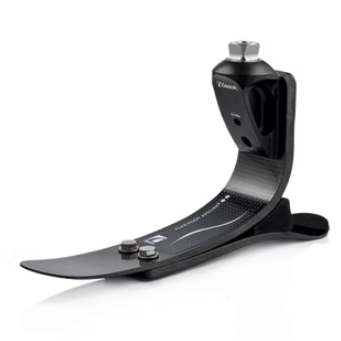
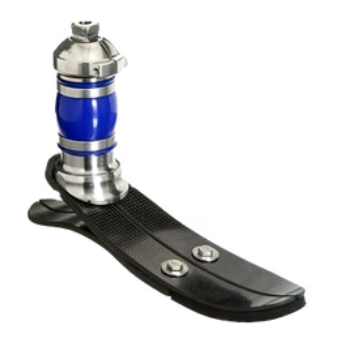
Prosthetic foot design and construction has progressed tremendously in the past few decades and now commonly incorporates carbon fiber structures to reduce weight and improve energy return. Some feet have terrain adapting and shock absorbing features, while others are more suitable for special purposes such as swimming. Most high-end feet can be ‘tuned’ to suit each individual by adjusting or exchanging internal elastomer bumpers or wedges, and are custom ordered from the manufacturer to specifications for each client. Prosthetic feet are selected by considering each individual’s activity level and the type of terrain that they will be traversing. We encourage our clients to become familiar with the different types of prosthetic feet available, to assist in the selection of the most appropriate type for them.

Prosthetic feet, like knees, hips, and other components incorporated into a prosthesis, can be grouped according to a recognized functional level classification system:

1. Low Impact Level

Daily activities involving limited and steady walking with the use of a walking aid.
Example: Ambulation at home, limited in community.

2. Moderate Impact Level
Daily activities involving normal walking, with the ability to demonstrate varied cadence.

Example: Community ambulation with confidence. Walking around town, light sports 

3. High Impact Level
Daily activities involving fast walking, jogging and climbing stairs.
Example: Light manual labor, recreational sports (golf, tennis, volleyball, basketball).

4. Extreme Impact Level

Daily activities involving rigorous walking, running and heavy lifting.
Example: Heavy manual labor including weightlifting, track and field sports.

Shock Absorber and Rotators

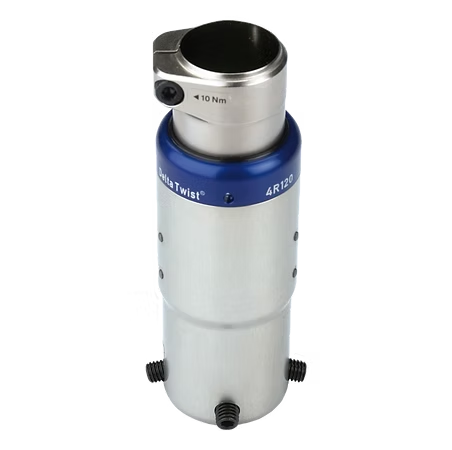
Rotators, with or without accompanying shock absorbers, are good additions to most lower extremity prosthetic devices. While they do add weight to a prosthesis, they reduce torsional stress on tissue. A rotation unit is definitely an asset to playing golf, and some units can be ‘tuned’ to suit the preferences of each individual.

Prosthetic Knees for Artificial Limbs

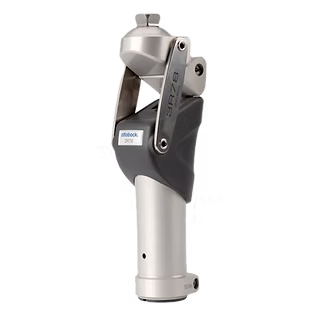
Like prosthetic feet, the type of prosthetic knee selected for each individual is determined based on their intended activity level and the type of terrain that they will be traversing. These knee units can be similarly grouped into categories associated with the four main Impact Levels.

Children, Youth and Adults have access to many of the same classifications of knee units, built to suit their weight range and activity levels. Contact us at Custom Prosthetic and Orthotic Services Ltd. to inquire about various prosthetic knee options.

Single Axis Constant friction knees

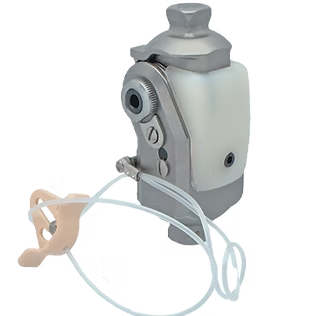
This is a basic knee where the friction is set for each patient’s walking speed. The knee will feel stiff if the person is walking slower than the setting and not stiff enough if walking faster.

Safety Knees

This is a single axis knee as described above, but includes a locking mechanism that will engage when the person places weight on the prosthesis, preventing the knee from buckling. This lock is released when the toe of the prosthetic foot is in contact with the ground and weight is transferred off of the prosthesis.

Manual Locking Knees

A Manual Lock feature can be added to many knee designs and would usually be used by very low impact level individuals, who need to ambulate with no possibility of the knee bending, unless the lock is manually released.

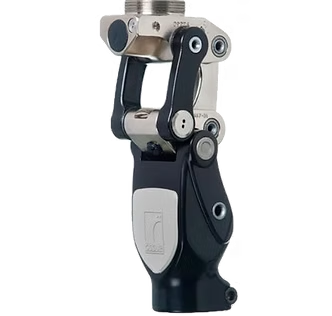
4 Bar Knees

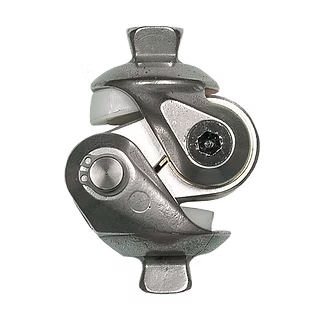
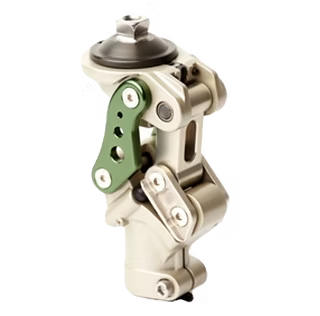
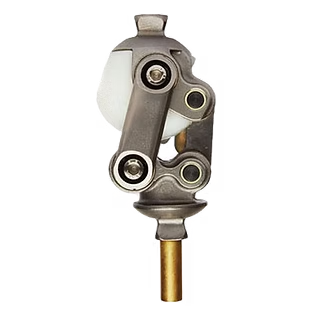
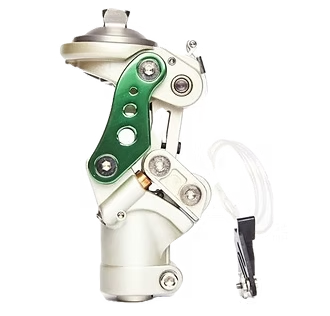
This type of knee is designed to have more than one center of rotation throughout the bending cycle and in this way mimics the human anatomical knee joint. This design creates a stabile more easily controlled knee at the heel contact moment of the gait cycle and has a smooth action from mid-stance until the toe leaves the floor at the beginning of the swing phase portion of the gait cycle. Each knee is designed or can be adjusted to increase or decrease the initial centre of rotation and this influences knee safety. This type of knee also has less length in swing phase to improve toe clearance and is particularly suited for persons with a long trans femoral or knee disarticulation amputation.

These knees can have a constant friction brake and an adjustable knee extension assist to adjust to the gait speed of each person, or they can include either pneumatic or hydraulic swing phase control units. These features will determine performance levels of the knees.

5 Bar Knees

These knees are designed for additional safety and even smoother function than the 4 Bar Knees. Again, these can include pneumatic or hydraulic swing phase controls for greater function.

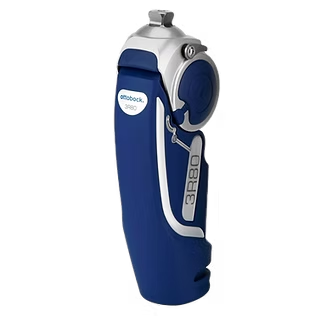
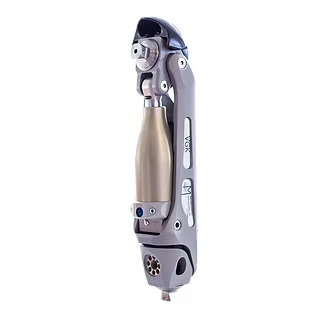
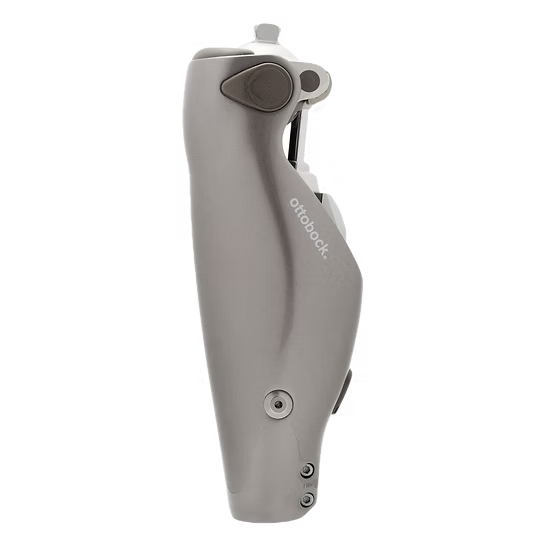
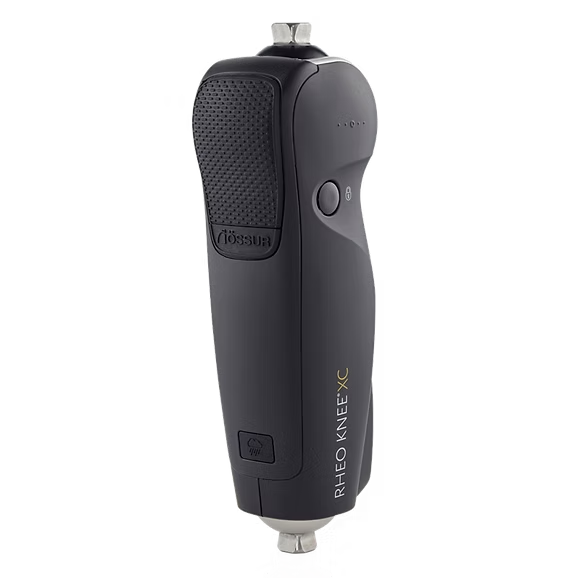
Microprocessor Knees

Microprocessor Knee (MPK) systems provide optimal stability during the gait cycle. Multiple sensors record angular and positional information more than 50 times per second and send input signals to the knee control mechanisms.  This results in reproducing the closest possible natural gait for the amputee.

This new dimension of instantaneous control provides stability and security whilst walking on stairs, ramps and all uneven terrain.

We are pleased to discuss the benefits of these systems with our clients. Contact us for more details.

Prosthetic Interface Materials

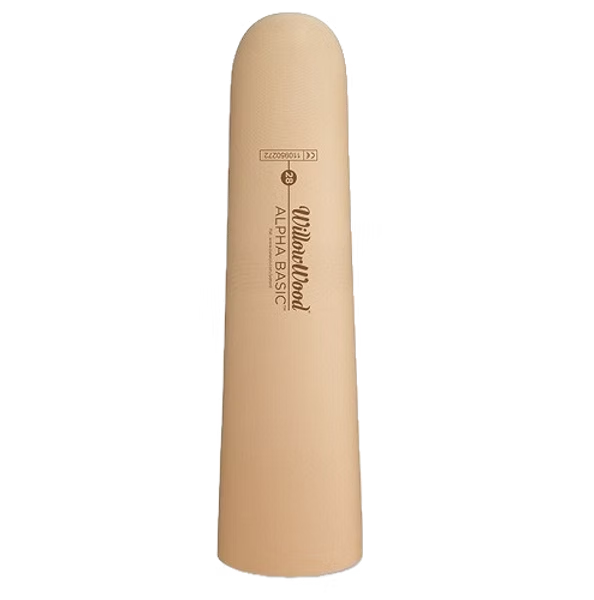
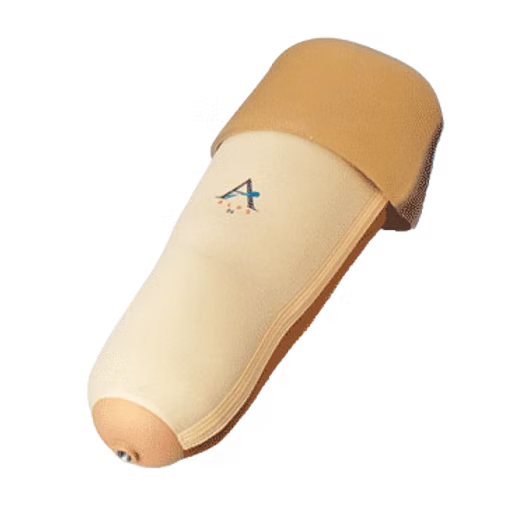
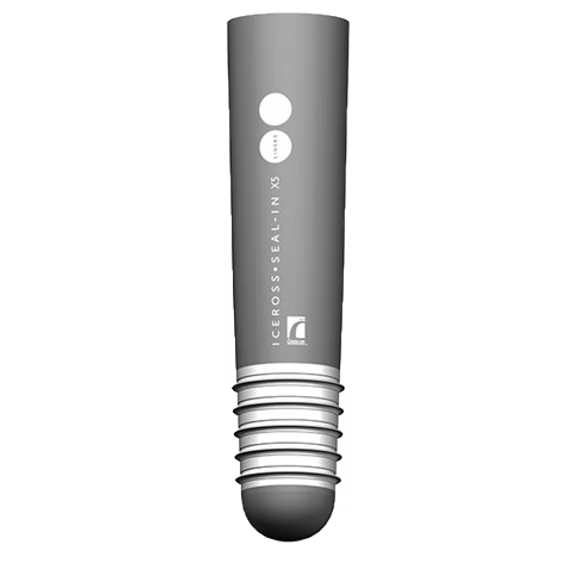
A prosthetic interface is that material located closest to the wearer’s skin, whether it be the traditional fine nylon sheaths and stump socks or the newer urethane, thermoplastic elastomer (TPE) and silicone liners with or without integral suspension pins or sealing rings.

At Custom Prosthetic and Orthotic Services Ltd. we strive to match each individual with the most appropriate interface and prosthetic suspension system. Each type of system requires routine cleaning to maintain good hygiene and healthy skin. We also carry a number of skin care lotions and ointments to be used separately from or together with the various types of gel liners.

Considerable relief from pressure and friction-related skin problems and effective management of persistent scar tissue can be obtained through the use of a carefully shaped and supportive prosthetic socket coupled with the correct interface material.

Prosthetic Socket Design and Suspension

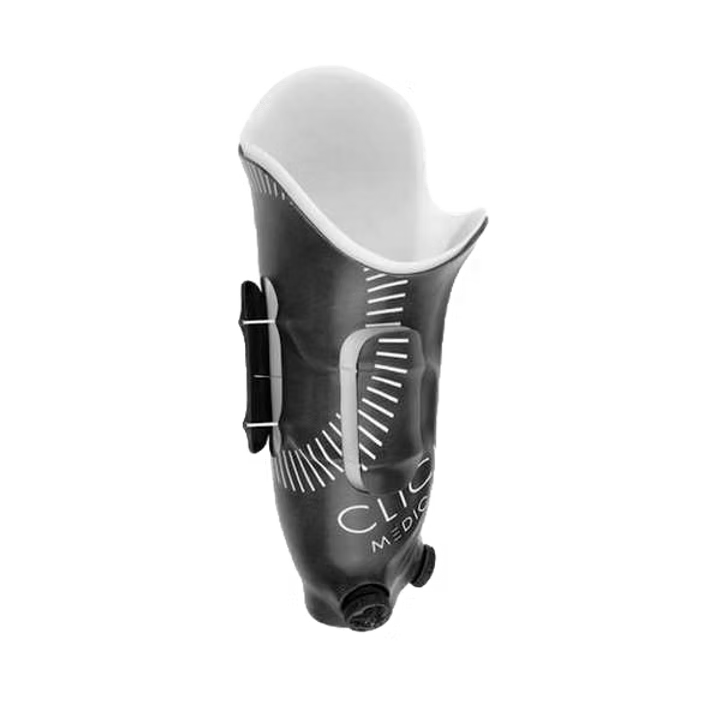
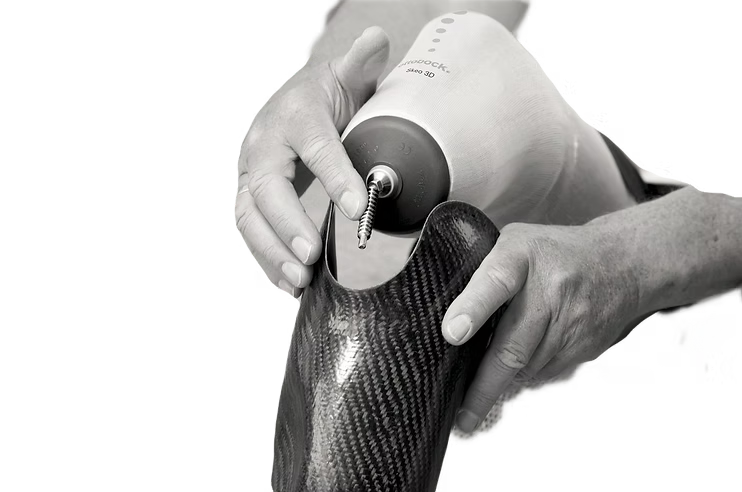
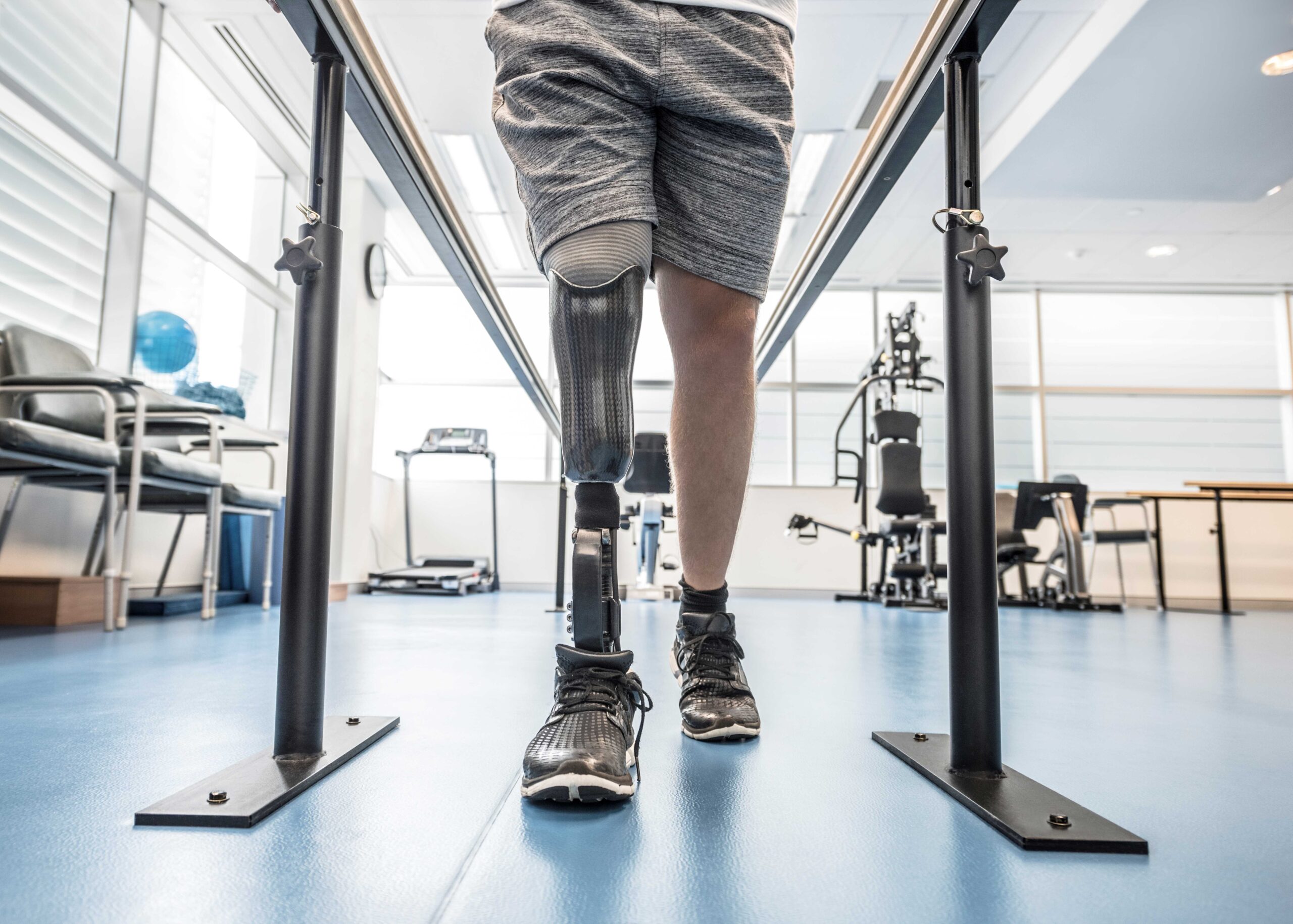
Custom Prosthetic and Orthotic Services Ltd. provides state-of-the-art prosthetic socket design and components. Comfort begins with a properly designed socket. We use careful hand-casting techniques and build prostheses that both support weight bearing and relieve pressure regions. We use flexible inner socket liners to allow the limb musculature to expand and contract throughout the gait cycle. In our above-knee prosthetic designs this flexible liner is supported by a lightweight rigid frame, which attaches to the prosthetic knee of choice.

Many types of prosthetic suspension systems, including suction fitting and locking pin mechanisms are used. We use all of the advanced technology feet that will enhance the function of each prosthesis.
Vacuum Assisted Socket Technology

Elevated vacuum system technology is available to improve the linking of a prosthesis to the user’s limb. Used correctly, the system offers many benefits over conventional prostheses including:

  • unrestricted vascular flow (healthier for the tissues) 
  • control of swelling and edema
  • volume management
  • enhanced linkage of the prosthesis to the residual limb

An excellent choice for active individuals with below or above knee amputations.

The elevated vacuum environment can be generated via a mechanical pump linked to the prosthetic foot or via an electric vacuum pump attached to the prosthesis. 
Cosmetic Covers

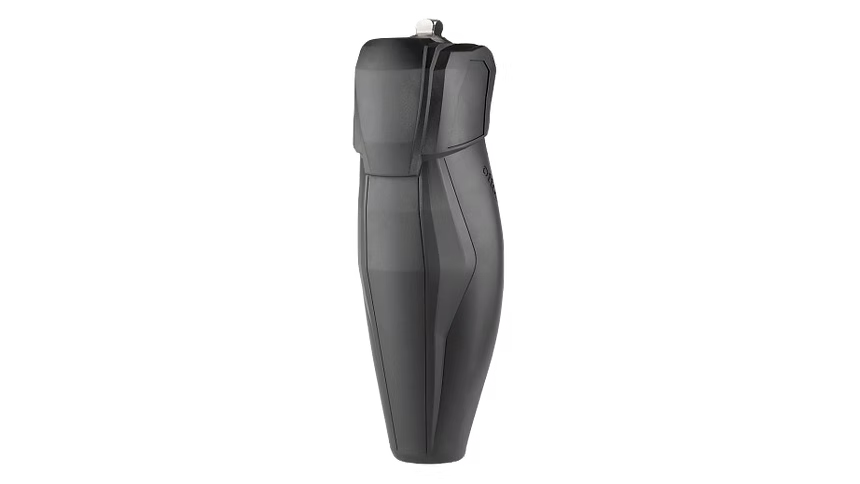
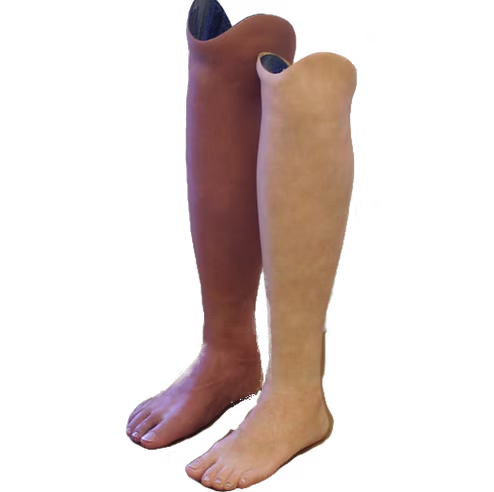
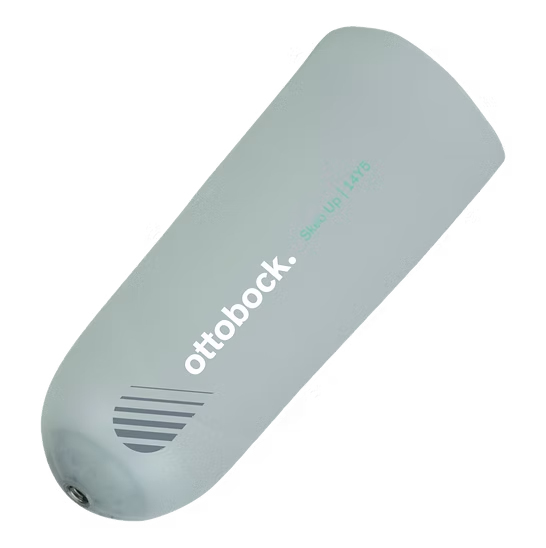
Custom Prosthetic and Orthotic Services Ltd. can provide very realistic looking cosmetic covers over below knee and above knee prostheses using custom coloured latex and silicone skins. We can incorporate your own graphic designs into the fibreglass outer shell of your prosthesis. Inquire for more details.